
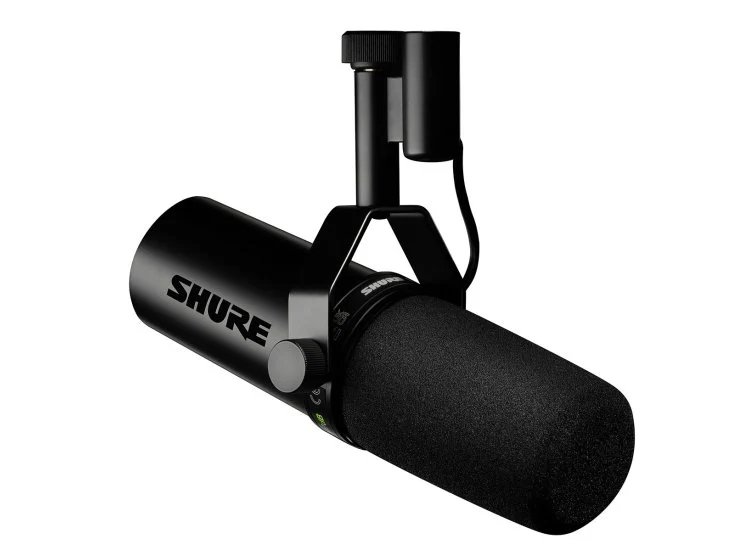
The Shure SM7dB: Why Every Podcaster and Singer Wants It in 2026
The Shure SM7dB has taken the podcasting, streaming, and vocal recording world by storm, and in 2026 it’s more popular than ever. It’s essentially the legendary SM7B dynamic microphone upgraded with a built-in preamp, solving the one big complaint everyone had about the original: its super-low output that demanded an extra Cloudlifter or high-gain interface to get clean levels without cranking noise. Now, with the SM7dB, you get that same iconic warm, broadcast-quality sound without the extra gear, hassle, or extra cables cluttering your setup.
Priced around $549 (street price often holds steady there, with occasional dips during sales), the SM7dB delivers up to +28 dB of clean, transparent gain right inside the mic itself, powered by standard 48V phantom power from your interface. You can switch between +18 dB, +28 dB, or bypass the preamp entirely for the exact same performance as the classic SM7B if you prefer. This makes it plug-and-play friendly with almost any audio interface, mixer, or even budget setups that couldn’t handle the original’s gain hunger before.
The core sound remains unchanged from the SM7B that’s been a studio staple for decades: a cardioid polar pattern with exceptional off-axis rejection that kills background noise, room reflections, and electromagnetic hum like nothing else in its class. It has a flat, wide-range frequency response from 50 Hz to 20 kHz, capturing natural, detailed vocals with a smooth, warm character that’s forgiving on sibilance yet full of presence and punch. Podcasters love it for spoken word because it tames plosives and proximity effect while keeping that intimate, radio-ready tone. Singers and rappers swear by it for its ability to handle aggressive delivery, low-end warmth on bass or baritone voices, and even close-miking guitar cabs or amps with authority.
Additional built-in controls make it even more versatile: a bass roll-off switch cuts low-end rumble from footsteps, HVAC, or proximity boominess, and a mid-presence boost adds extra clarity and bite when you need your voice to cut through a mix or stream. The built-in preamp is sonically transparent, meaning it doesn’t color the sound, just boosts it cleanly so you avoid the noise floor issues that plagued high-gain settings on the SM7B.
In today’s remote-work and content-creation boom, where more people are recording professional-sounding podcasts, YouTube videos, Twitch streams, voiceovers, or music demos from home offices or bedrooms, the SM7dB shines. No more debating whether your interface has enough clean gain or shelling out for an inline booster. It pairs beautifully with popular interfaces like the Focusrite Scarlett series, Universal Audio Volt, or even mobile recorders, delivering low-latency, high-quality results every time.
Picture a classic setup: the sleek black SM7dB mounted on a sturdy boom arm, angled perfectly toward your mouth, with a foam windscreen popped on to tame any breath pops. It’s suspended in a treated vocal booth or quiet room, connected via a single XLR cable to your interface. The mic’s rugged all-metal build feels premium and durable, built to last through years of daily use. The yoke mount is smooth for positioning, and the whole thing looks pro without taking over your desk. Once you hear that signature punchy, detailed tone with zero background noise creeping in, the slight weight (it’s hefty at around 1.7 lbs) becomes a non-issue, it’s part of what gives it that solid, stable feel.
Downsides? Yes, it’s heavy compared to lighter condensers, so a good boom arm with solid support is a must to avoid sagging. At $549, it’s a premium investment, though many argue it’s cheaper long-term than buying the SM7B (around $400) plus a Cloudlifter ($150+). The preamp requires phantom power, so it won’t work with interfaces that don’t provide it, but that’s rare these days.
If you’re serious about voice work, whether podcasting solo or with guests, singing demos, rapping bars, or streaming commentary, the SM7dB is frequently called the gold standard in 2026. It delivers consistent, broadcast-level audio that’s warm yet clear, noise-rejecting, and incredibly reliable across different voices and environments. Pair it with a pop filter, boom arm, and your favorite interface, and you’re set for crystal-clear takes that sound expensive without endless tweaking.
Pro tip: Look for bundles that include the mic plus a shock mount, windscreen, or even a starter interface if you’re building from scratch. Once it’s in your chain, you’ll wonder how you ever recorded without it. The SM7dB isn’t just an upgrade, it’s the streamlined evolution that makes the legendary SM7 sound accessible and effortless for creators everywhere.